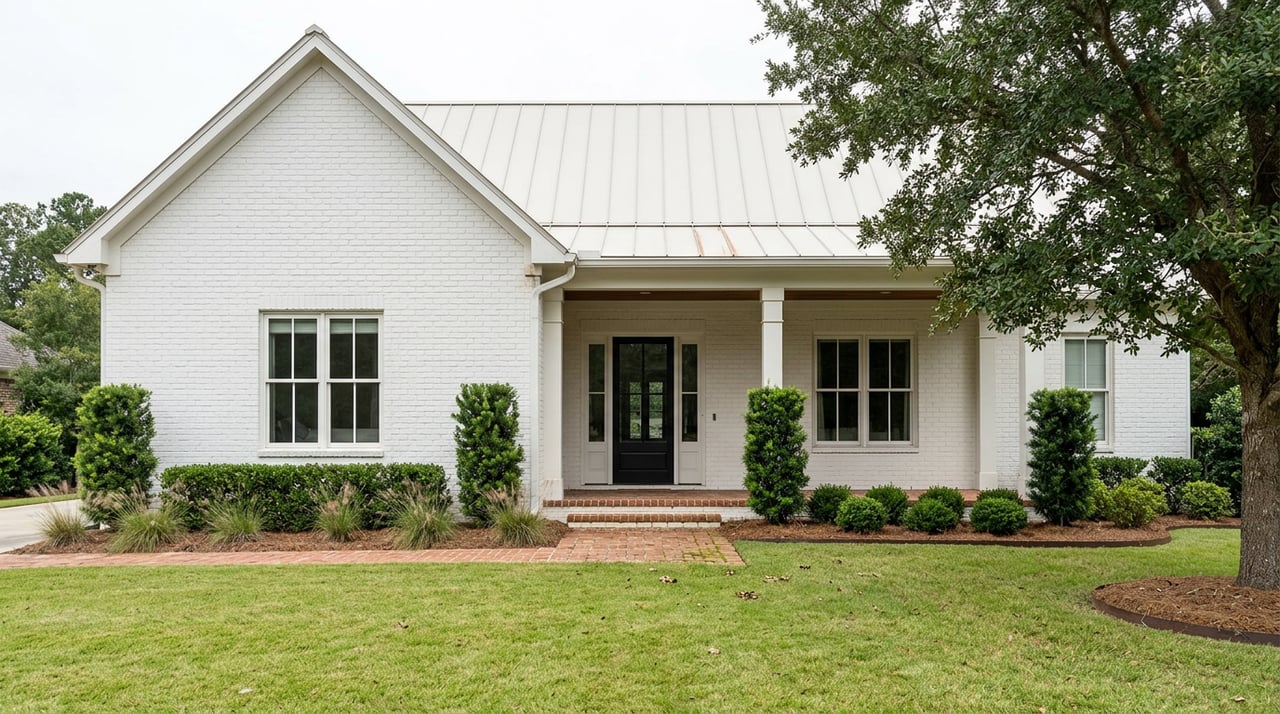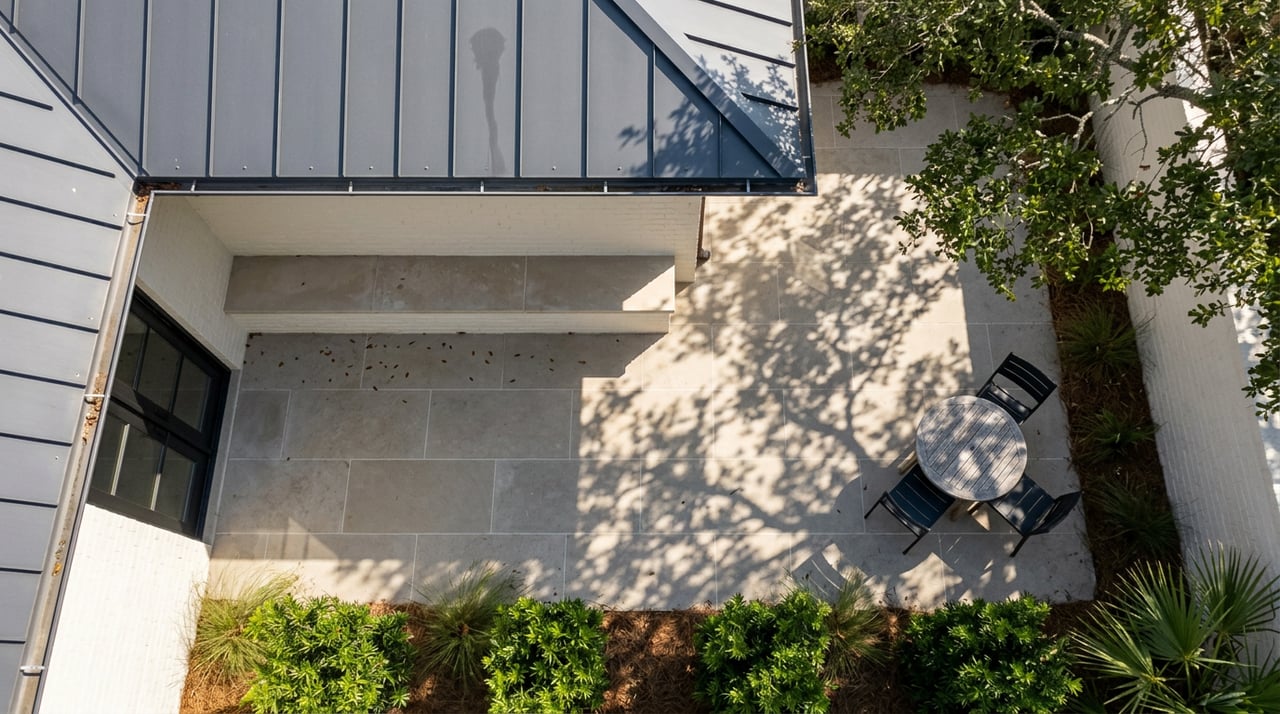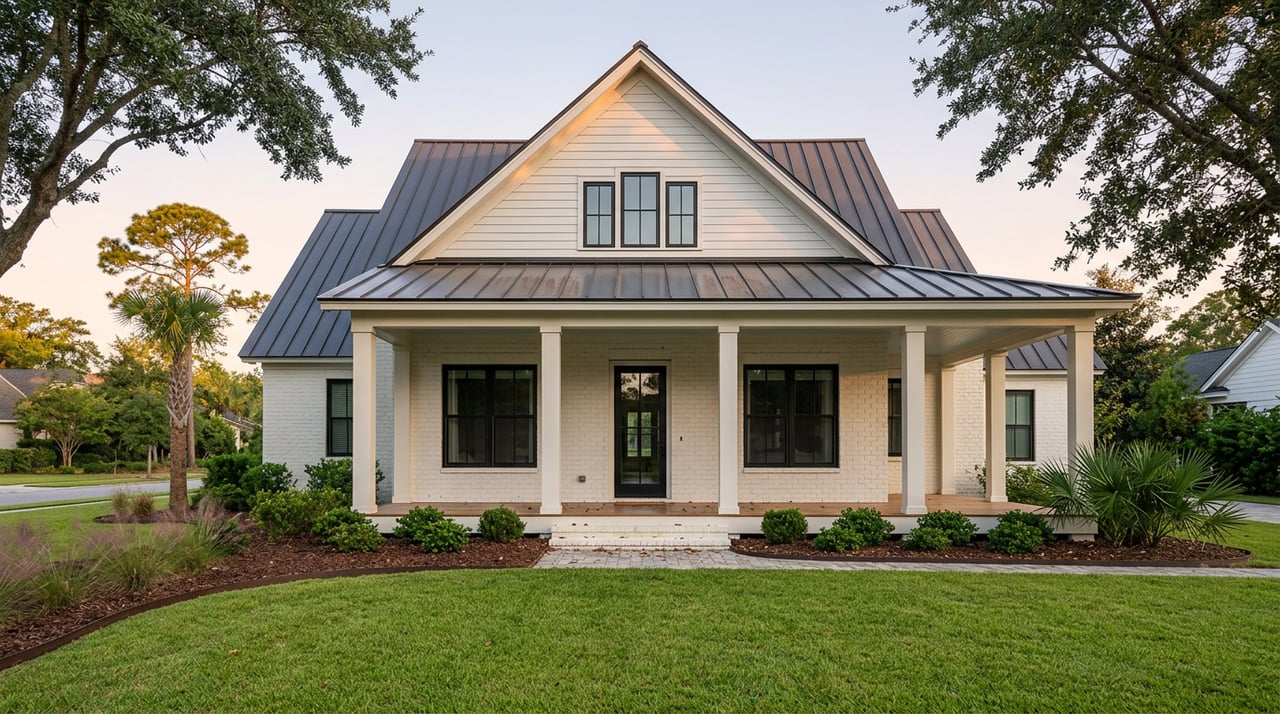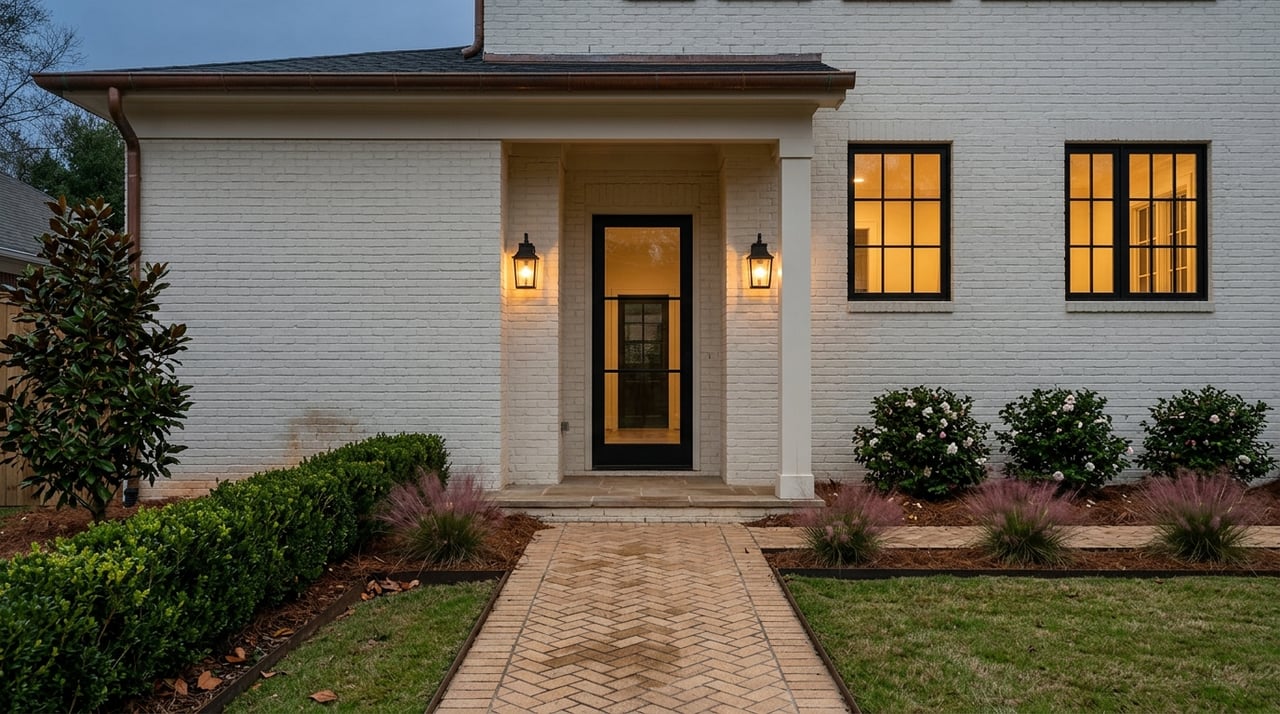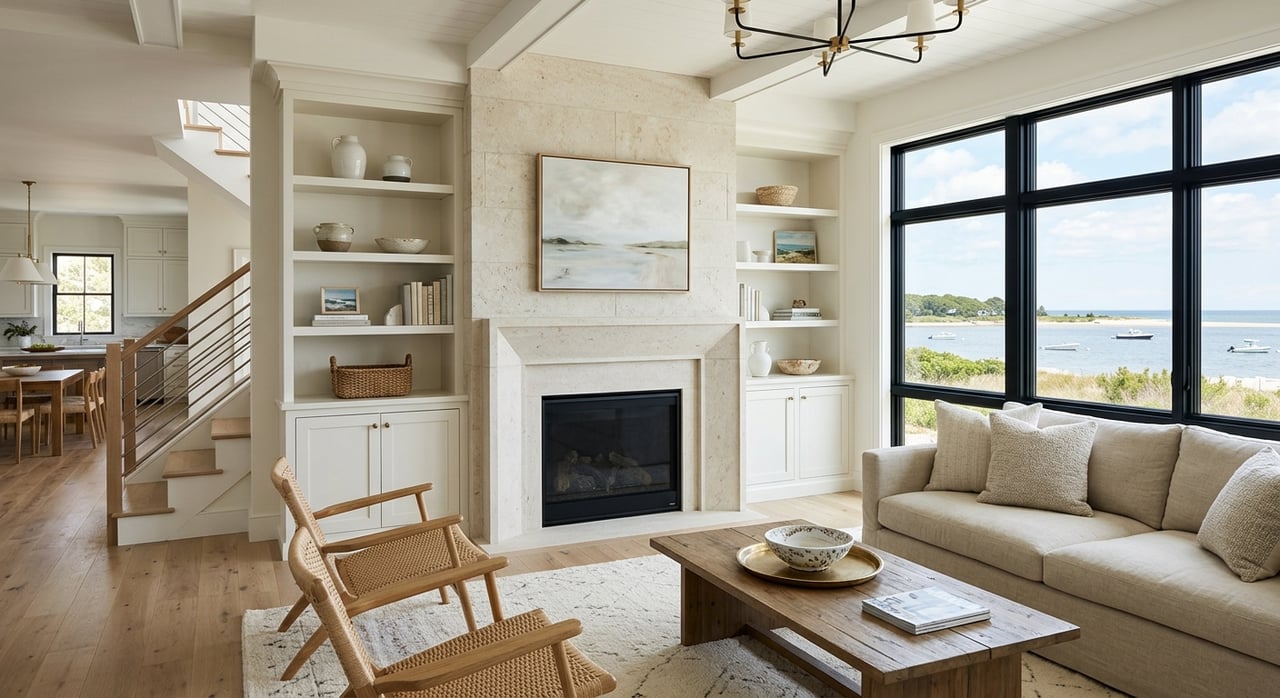
Building a custom home in Fairhope can feel simple at first. You picture the square footage, the kitchen, the porch, and the finishes you want. But once you start pricing land, permits, site work, and local construction requirements, you quickly see that features and location shape the budget together. If you want a clearer picture of what really drives custom home costs in Fairhope, this guide will walk you through the main factors and help you plan with more confidence. Let’s dive in.
Size Sets the Starting Point
The size and layout of your home usually create the first big budget number. According to the 2024 NAHB survey, construction cost made up 64.4% of the average sale price of a new home, and the average finished home size was 2,647 square feet. That helps explain why square footage, rooflines, corners, and structural complexity often matter more than cosmetic choices at the start.
A larger home generally needs more framing, more materials, more labor, and more time. A more complex layout can also raise costs even if the square footage stays similar. For example, multiple bump-outs, intricate roof shapes, and added structural details often push the budget higher before you even get to cabinets, lighting, or flooring.
Features Can Shift the Budget Fast
Two homes with the same basic floor plan can land in very different price ranges. NAHB separates items like cabinets, countertops, flooring, plumbing fixtures, lighting, appliances, landscaping, driveways, and outdoor structures into distinct cost categories. That means your finish selections and exterior living spaces can create major swings in the final number.
If you are building in Fairhope, it helps to think about your selections in layers. Your baseline budget may cover the core structure and standard finish expectations, but upgrades in kitchens, baths, trim, windows, doors, and outdoor living can quickly add up. A large covered porch, a more detailed cabinet package, or premium fixtures may all be worth it, but they should be planned early.
Common Feature Choices That Affect Cost
- Kitchen cabinet and countertop package
- Flooring material and installation scope
- Plumbing fixture selections
- Lighting package and statement fixtures
- Appliance level and built-in features
- Window and door package
- Trim detail and interior finish level
- Patios, porches, decks, pergolas, and arbors
- Landscaping and driveway scope
- Pools or accessory structures where allowed and permitted
Fairhope Lots Can Change Everything
In Fairhope, the lot itself can be just as important as the house design. The city’s building department reviews permits, inspections, floodplain management, stormwater rules, environmental protections, erosion and sediment control, wetlands protection, red-clay rules, and right-of-way rules. That means site conditions are not a side issue. They are a real part of the budget.
If your lot needs significant grading or fill, Fairhope’s local construction supplement says the Building Official may require a professional engineer to design a stormwater plan. On some older infill lots, low-impact-development or pervious-surface methods may also be needed. Those are the kinds of location-based costs that do not always show up in early wish-list pricing, but they can strongly affect the total investment.
Site-Related Costs to Watch
- Grading and fill
- Drainage improvements
- Stormwater engineering
- Erosion and sediment control measures
- Wetlands or environmental compliance items
- Right-of-way considerations
- Utility coordination
- Sewer connection or grinder pump needs on certain parcels
Utilities and Infrastructure Matter More Than Many Buyers Expect
One Fairhope lot may be much easier to build on than another. The city states that septic tanks may not be installed where sewer service is available. In those cases, sewer tie-ins, grinder pumps, and related utility coordination can become meaningful project costs.
This is one reason lot price alone does not tell the whole story. A parcel that looks like a better value upfront may need more infrastructure work than a higher-priced lot that is easier to build on. If you are comparing homesites, it is smart to weigh total build-readiness, not just purchase price.
Bay Proximity Can Raise the Baseline Cost
Lots near the bay or in lower-lying areas can come with extra construction requirements. Fairhope enforces FEMA floodplain regulations and requires elevation certificates for each building on a site if the property is in a floodplain. That can affect foundation design, documentation, drainage planning, and elevation strategy.
FEMA defines Special Flood Hazard Areas as mapped flood-risk areas where floodplain rules apply, and Base Flood Elevation is the flood level used for design. FEMA also says fill can be used to elevate a home only in Zone A, not Zone V, and recommends treating Coastal A Zones like Zone V. In practical terms, that means a bay-adjacent lot can carry a very different cost structure than an inland parcel.
Why Floodplain Status Affects Cost
- Elevation requirements may change foundation design
- Documentation and certificates add soft costs
- Drainage planning may be more complex
- Some sites may have fewer options for how elevation is achieved
- Coastal conditions can influence construction decisions from the start
Downtown and Historic Context Can Influence Design
Location affects more than flood risk. Fairhope’s historic structures page lists Bayfront, Downtown, Montrose, and White Avenue historic districts. The city’s comprehensive plan also notes that design standards or review may apply in and around historic Downtown and the bayfront.
If you are building on an infill lot near downtown, you may be working with a tighter site and more context-sensitive design expectations. The plan describes the Downtown Core as the densest and most walkable part of Fairhope, with buildings close to the sidewalk and new infill expected to stay architecturally compatible. That can shape exterior design choices, site layout flexibility, and overall planning.
Outdoor Living Is a Lifestyle Choice and a Cost Category
In Fairhope, outdoor living is often part of the dream. Covered porches, patios, decks, pergolas, arbors, pools, and accessory buildings can all make a home feel more complete. They can also meaningfully increase both construction and permit costs.
Fairhope lists separate permit types for items such as pools, fences, sheds or accessory buildings, pergolas or arbors, decks, and new construction. So when you plan your custom home, it is worth deciding early which outdoor spaces are essential to your lifestyle and which ones could be phased later. That kind of planning helps you protect the parts of the project that matter most.
Local Code Is Part of the Baseline
One of the most important things to understand in Fairhope is that resilience is not just an upgrade. The city’s current construction supplement adopts the Alabama residential and energy code for one- and two-family dwellings. It also states that all new single-family residences must meet Fortified Gold construction requirements, except for the third-party evaluator inspection.
The same supplement points to the Baldwin County high-wind roofing supplement and notes opening-protection requirements for certain larger replacement projects. For your budget, that means wind-conscious construction standards are built into the baseline. In Fairhope, durability is part of the starting point, not just a premium option.
Soft Costs Are Real Costs
When buyers first think about a custom build, they often focus on visible materials and finishes. But Fairhope also publishes separate documents for building and development permit fees, impact fees, sewer and water connection fees, and grinder-pump installation. These items may not be as exciting as choosing countertops or porch details, but they are part of the real cost of building.
The city’s 2023 recap reported 2,289 permits issued, including 1,549 residential permits and 270 single-family homes. That shows Fairhope has an active building environment with a formal permitting process. In other words, soft costs and approvals are a normal part of the path, not an exception.
How to Budget More Strategically in Fairhope
If you want to budget well, the best first question is not only, “How big do I want the house to be?” A better question is, “Which costs are fixed by the lot and local code, and which choices are still flexible?” That mindset can help you make smarter decisions earlier in the process.
A practical way to think about it is to divide your budget into three buckets:
1. Fixed Location Costs
These are often shaped by the lot and local rules.
- Floodplain-related requirements
- Elevation and drainage needs
- Stormwater planning
- Utility tie-ins and grinder pumps where needed
- Historic or downtown context considerations
- Permit and impact fees
- Fortified Gold and related resilience requirements
2. Structural Design Costs
These are driven by the house itself.
- Square footage
- Roofline complexity
- Number of corners and bump-outs
- Foundation approach
- Overall layout complexity
3. Finish and Lifestyle Costs
These are often the most flexible.
- Cabinetry and countertop selections
- Flooring and trim detail
- Lighting and plumbing fixtures
- Appliance package
- Outdoor living features
- Landscaping and site enhancements
When you separate costs this way, it becomes easier to see where you can adjust without losing the vision for your home.
Why a Guided Process Matters
Custom building in Fairhope is about more than choosing a beautiful plan. You are balancing design, site conditions, permits, utilities, resilience standards, and finish selections in one coordinated process. That is why clear communication and strong planning matter so much.
A guided approach can help you understand what the lot is likely to require, what the city process may involve, and where your design choices have the biggest budget impact. It can also make the experience feel more organized and less overwhelming, especially if you are building from out of town or comparing several possible homesites.
If you are thinking about a custom or semi-custom home in Fairhope, the goal is not just to build something beautiful. It is to build something that fits the lot, the local environment, and the way you want to live for years to come. When you understand how features and location work together, you can move forward with a stronger plan and fewer surprises.
If you are ready to explore what building in Fairhope could look like for your timeline, homesite, and vision, connect with Limitless Homes for a guided, full-service path from concept to closing.
FAQs
How does lot location affect custom home costs in Fairhope?
- Lot location can affect floodplain requirements, elevation needs, drainage planning, utility coordination, historic or downtown design context, and permit-related costs.
What home features most affect custom build pricing in Fairhope?
- Size, layout complexity, cabinetry, countertops, flooring, fixtures, appliances, windows, doors, trim detail, and outdoor living features can all significantly affect pricing.
Are outdoor living spaces part of the custom home budget in Fairhope?
- Yes. Features like porches, patios, decks, pergolas, pools, driveways, and accessory structures can affect both construction costs and permitting.
Do new homes in Fairhope need Fortified Gold construction?
- Yes. Fairhope’s construction supplement states that all new single-family residences must meet Fortified Gold requirements, except for the third-party evaluator inspection.
Why can two similar custom home plans have different costs in Fairhope?
- Even with similar square footage, differences in finish level, outdoor amenities, lot conditions, utility needs, floodplain status, and structural complexity can change the total cost.
What should you compare when choosing a Fairhope homesite for a custom build?
- You should compare more than lot price, including build-readiness, drainage and grading needs, floodplain status, utility access, sewer connection needs, and any design or permitting considerations tied to the location.