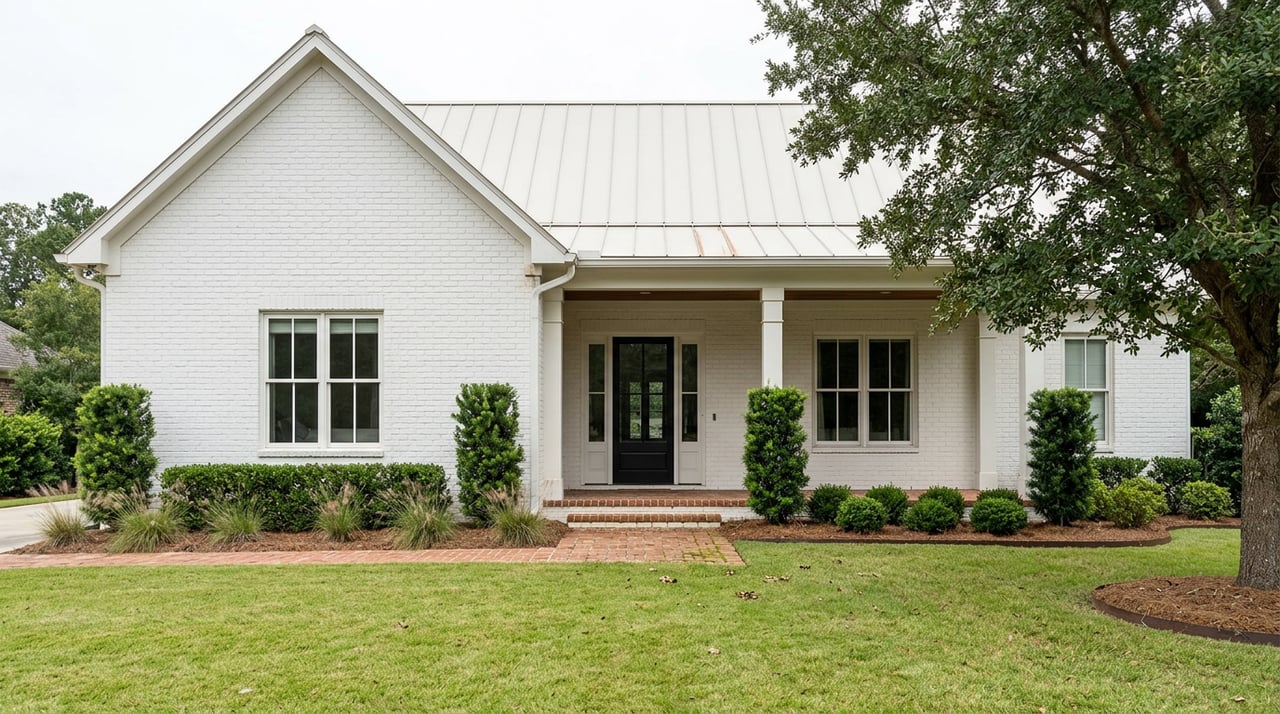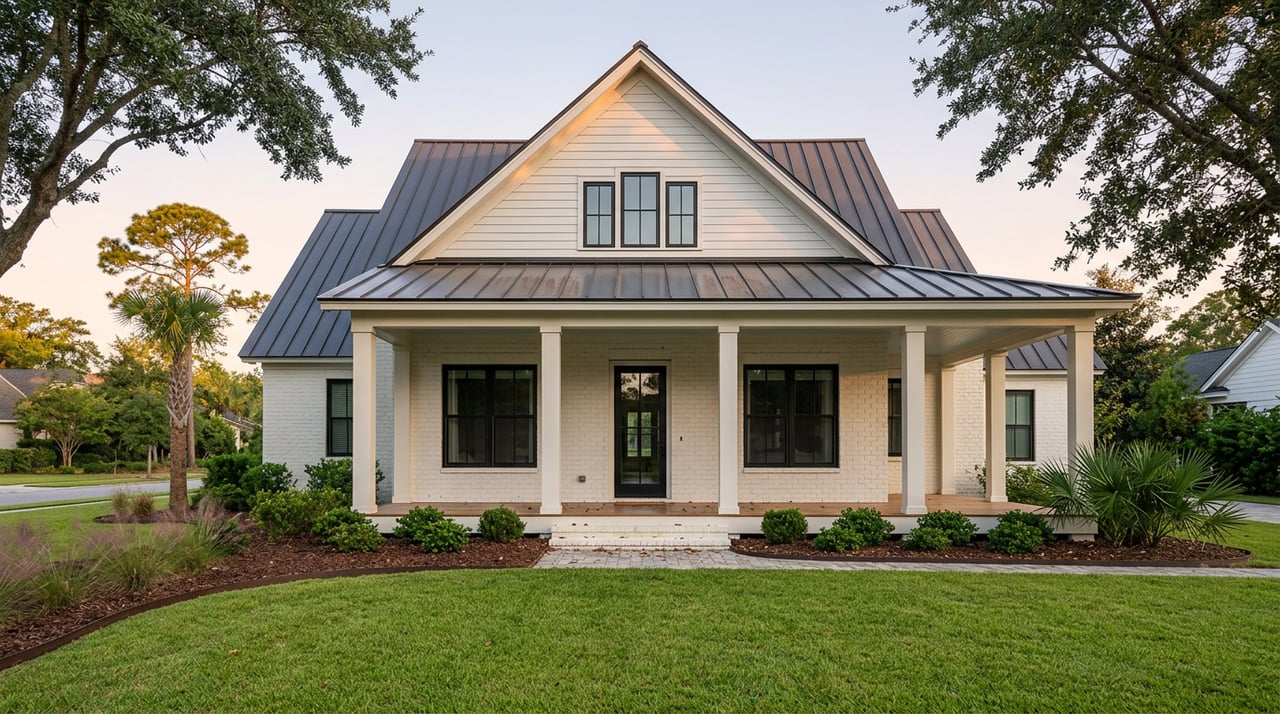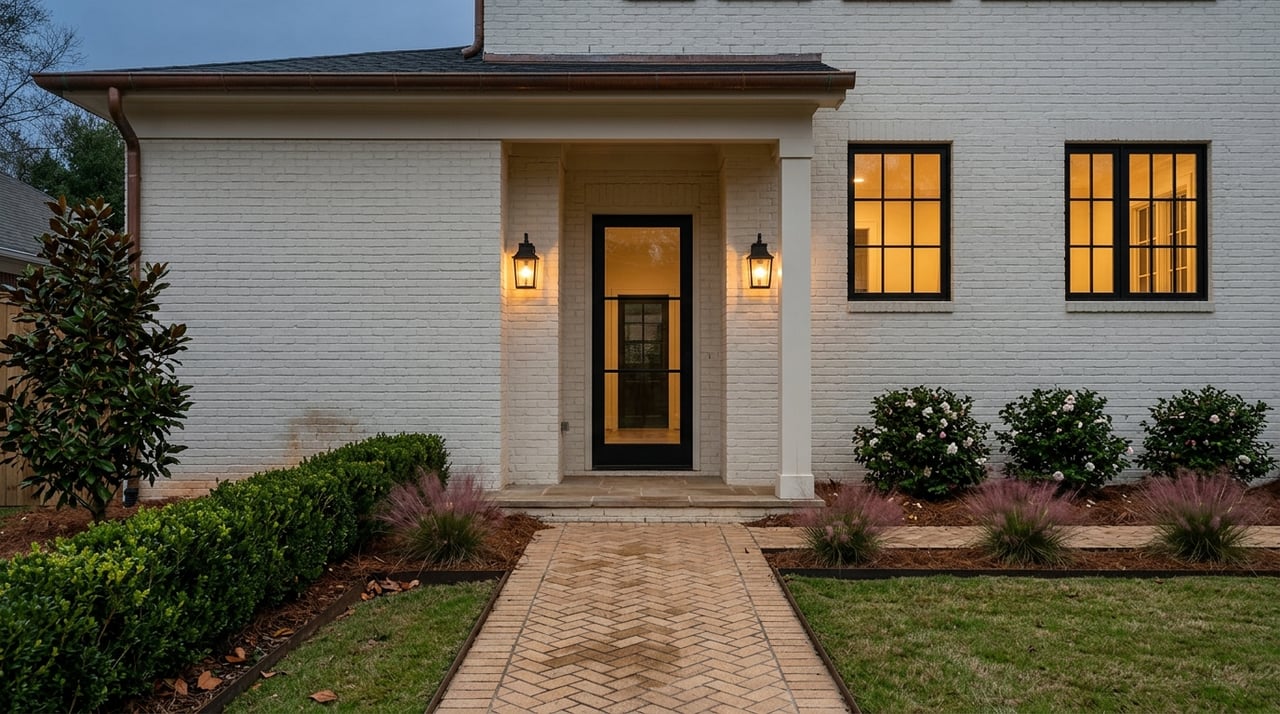
Wondering if building a home in Orange Beach is as simple as finding a beautiful lot and choosing a floor plan? In a coastal market like this, the answer is usually no. If you want your build to go smoothly, it helps to understand flood rules, zoning, permits, and coastal design expectations before you make major decisions. Let’s dive in.
Start With the Lot First
In Orange Beach, the lot often shapes the entire project. Before you think too much about layout details or finishes, you need to know what the property allows and what it requires.
One of the first things to confirm is the flood zone. Orange Beach identifies several flood-risk categories, including X, shaded X, AE, AO, Coastal AE, and VE. The city also makes it clear that flood risk is not limited to parcels inside mapped flood zones, which is why it is important to verify the exact designation for the lot and ask questions early if anything seems unclear.
Zoning is just as important. Orange Beach has district-specific setback and height requirements, and some overlay districts limit residential height to 40 feet. On certain waterfront lots, especially south of Alabama Highway 182, the rules can get more specific because lot lines and setback calculations may involve the mean high tide line and the Coastal Construction Line.
Why flood zones matter early
Flood-zone details affect much more than insurance planning. They can influence elevation requirements, structural design, drainage planning, and what will need to appear on your site plan during permitting.
If your lot falls in AE, Coastal AE, or VE, your design team and builder need to account for those standards from the beginning. Waiting until later can lead to redesigns, delays, and added costs that could have been avoided.
Coastal jurisdiction can add another layer
If the property is near the beach or dunes, local coastal review may apply. In Orange Beach, construction on Gulf-fronting beaches and dunes is subject to local handling under delegated authority, and the city zoning code states that construction in the coastal area is subject to prior review, approval, and permit from ADEM.
That means a lot that looks ideal on paper may still need added review before you can move forward. This is one reason experienced local guidance matters so much in coastal building.
Understand the Permit Process
A new home in Orange Beach does not move through a single, simple permit step. The city uses an online Permit Portal, and residential building permits and site permits are reviewed together.
For residential projects, the city’s current estimate is 14 days for an initial review and 7 days for revisions, although timing can vary depending on the scope of the project. That timeline is helpful, but it should not be treated as the only time your project needs. Coastal review, site complexity, and revisions can all affect the overall schedule.
What you may need to submit
For new one- and two-family homes, the city checklist typically includes:
- Proof of ownership
- A boundary survey sealed by an Alabama surveyor
- A site plan
- Construction plans
- A REScheck certificate
- A subcontractor list
- Sewer tap confirmation
- A wind-load compliance design certificate
The site plan itself must show several important items, including setbacks, drainage features, proposed lowest-floor elevation, and the special flood hazard area when applicable. In AE zones, the lowest-floor elevation must be shown. In VE and Coastal AE zones, the proposed lowest horizontal structural member must be shown instead.
Timing rules are strict
Orange Beach is clear that work cannot begin until the application is approved, fees are paid, and the permit is issued. This is not an area where you want to assume you can get ahead by starting early.
The city also notes that an application is considered abandoned after 180 days if a permit has not been issued. Once a permit is issued, it can become invalid unless work begins and at least one inspection is requested within 180 days.
Design for Coastal Conditions
Orange Beach is not a place to use a generic inland approach to homebuilding. Flood exposure, wind, salt air, and drainage all need to be part of the design conversation from the very beginning.
The city’s floodplain ordinance requires new construction and substantial improvements, where base flood elevation data are available, to place the lowest floor at least two feet above base flood elevation. In V and VE coastal high-hazard areas, the bottom of the lowest supporting horizontal structural member must be at least three feet above base flood elevation or the flood protection level, whichever is higher.
These standards affect how a home sits on the lot, how the foundation is planned, and how utilities and drainage are handled. The ordinance also requires measures such as drainage paths, foundation details, and utility protection to help minimize flood damage.
Wind and corrosion deserve attention too
Building near saltwater means material choices matter. FEMA’s coastal guidance notes that connectors near saltwater can corrode much faster than they would inland, so the materials and connector systems used should match the local corrosion exposure.
Wind resistance also deserves a front-row seat in your planning. Orange Beach requires a wind-load compliance design certificate as part of the permitting checklist, which underscores how important structural preparation is in this market.
Aim beyond the minimum when possible
For Gulf Coast homes, many buyers look beyond code minimums and consider stronger resilience targets. FORTIFIED Gold includes features such as enhanced nailing, a sealed roof deck, locked-down roof edges, stronger garage doors, impact- and pressure-rated openings, and an engineered continuous load path from roof to foundation.
In Alabama, the Department of Insurance states that the Strengthen Alabama Homes program uses the FORTIFIED standard, and certified homes may qualify for homeowner wind-premium discounts. Even if you are still comparing options, it is smart to ask early whether your builder is planning for a resilience standard rather than just the basic minimum.
Plan for a Bigger Pre-Construction Budget
One of the biggest surprises in a coastal build is how many costs appear before vertical construction even starts. In Orange Beach, pre-construction often includes more line items than buyers expect.
The city fee schedule shows separate charges for items such as site plan review, site clearing or tree removal, stormwater permits, floodplain permits, and walls or bulkheads, in addition to standard building-review and permit fees. That is why it is wise to budget for survey work, drainage planning, floodplain-related requirements, and site work early.
Utility coordination can affect your schedule
Sewer coordination is another detail that can slow a project if it is not handled upfront. Orange Beach requires sewer availability or tap confirmation during the permit process, and the city checklist says this request must go through Public Works even if a tap already exists.
If the property is within a Planned Unit Development or another conditional-use setup, site plan approval must be completed before a building permit can be issued. Site plan approvals can also expire if the project does not move forward in time, so timing matters.
Ask These Questions Before Finalizing Plans
Before you commit to a lot, finalize a design, or set a target start date, it helps to answer a few key questions:
- What flood zone is the lot in?
- Is the property in AE, Coastal AE, or VE?
- Does the lot fall inside the coastal area or near the Coastal Construction Line?
- Have sewer, drainage, and site-utility issues been addressed?
- Will the design meet local wind-load and flood-elevation requirements?
- Is the home being planned with a resilience standard such as FORTIFIED in mind?
These questions can help you spot issues while they are still manageable. In a place like Orange Beach, the smoothest projects usually start with the lot, then the flood zone, then the permit path, and only after that the final design details.
Why Local Guidance Matters
Building in Orange Beach can be incredibly rewarding, but it asks more of your planning process than a typical inland build. The combination of zoning rules, floodplain standards, coastal review, permit timing, and durability expectations means each decision connects to the next.
When your team understands Baldwin County and the Alabama Gulf Coast, you are better positioned to make informed choices early. That can help you protect your timeline, control avoidable costs, and build a home that feels just as practical as it is beautiful.
If you are thinking about building in Orange Beach and want a guided, organized path from lot to finished home, Limitless Homes can help you navigate the process with care, communication, and Gulf Coast building knowledge.
FAQs
What should you check before buying a lot in Orange Beach?
- You should confirm the lot’s flood zone, zoning rules, setback requirements, height limits, and whether the property may fall within a coastal review area.
What flood zones matter for building in Orange Beach?
- Orange Beach identifies flood-risk categories that include X, shaded X, AE, AO, Coastal AE, and VE, and the exact zone can affect elevation and design requirements.
What permits are needed for a new home in Orange Beach?
- A new home typically involves a residential building permit and site permit reviewed together, along with supporting items such as surveys, plans, sewer confirmation, and floodplain or coastal documentation when applicable.
What documents are commonly required for an Orange Beach home permit?
- Common requirements include proof of ownership, a sealed boundary survey, a site plan, construction plans, a REScheck certificate, a subcontractor list, sewer tap confirmation, and a wind-load compliance design certificate.
What makes coastal home design different in Orange Beach?
- Coastal home design in Orange Beach must respond to local flood elevations, wind exposure, drainage needs, and saltwater corrosion instead of relying on standard inland assumptions.
Why does FORTIFIED matter for homes on the Alabama Gulf Coast?
- FORTIFIED standards can add resilience features such as stronger roof and opening protection, and Alabama notes that certified homes may qualify for homeowner wind-premium discounts.