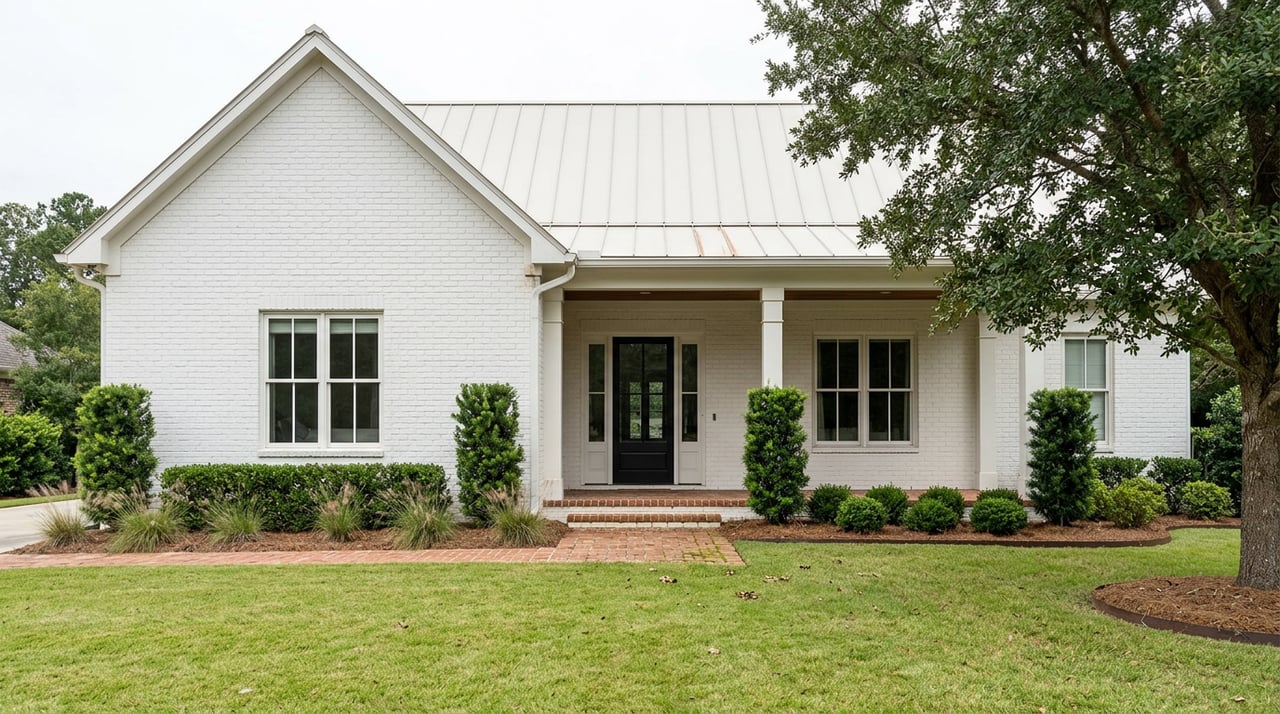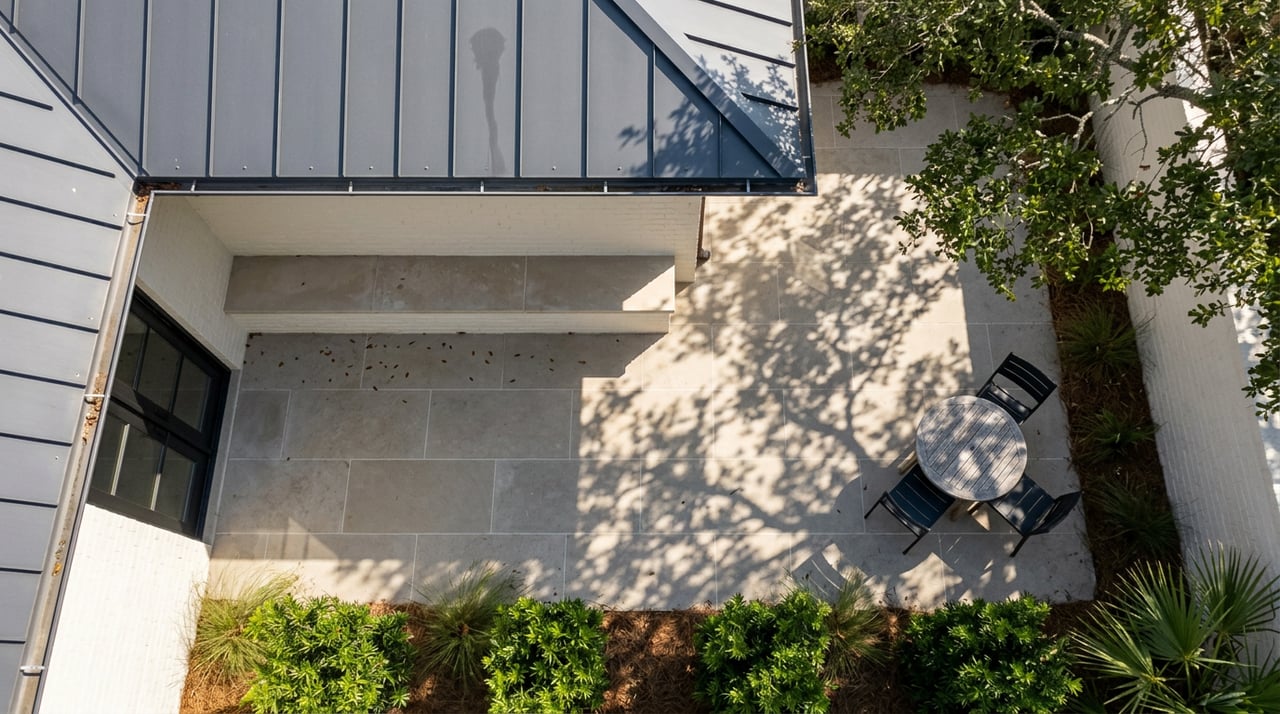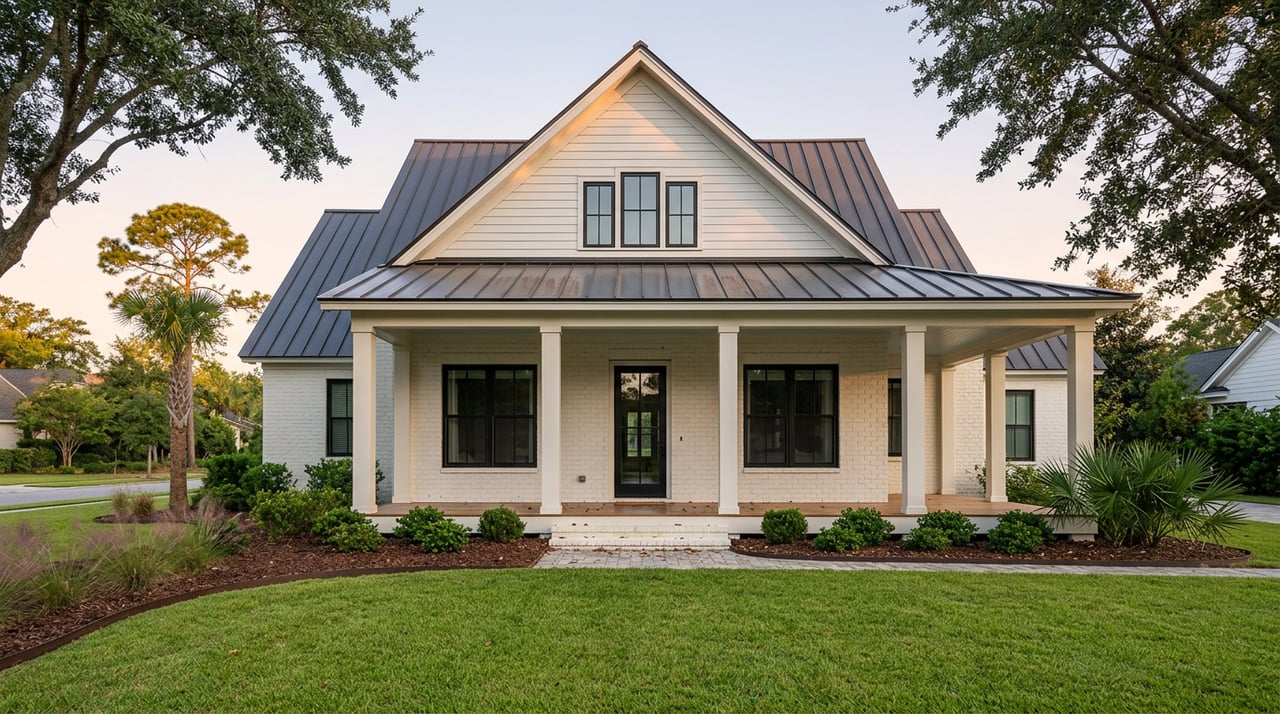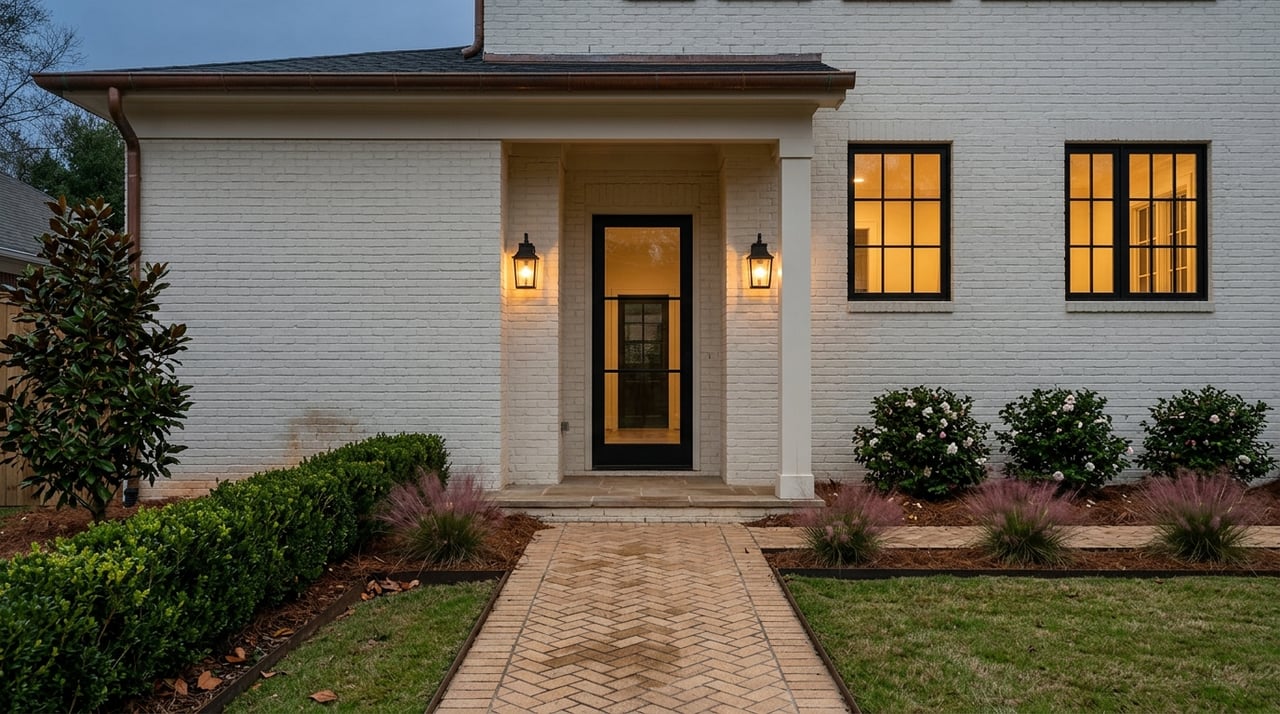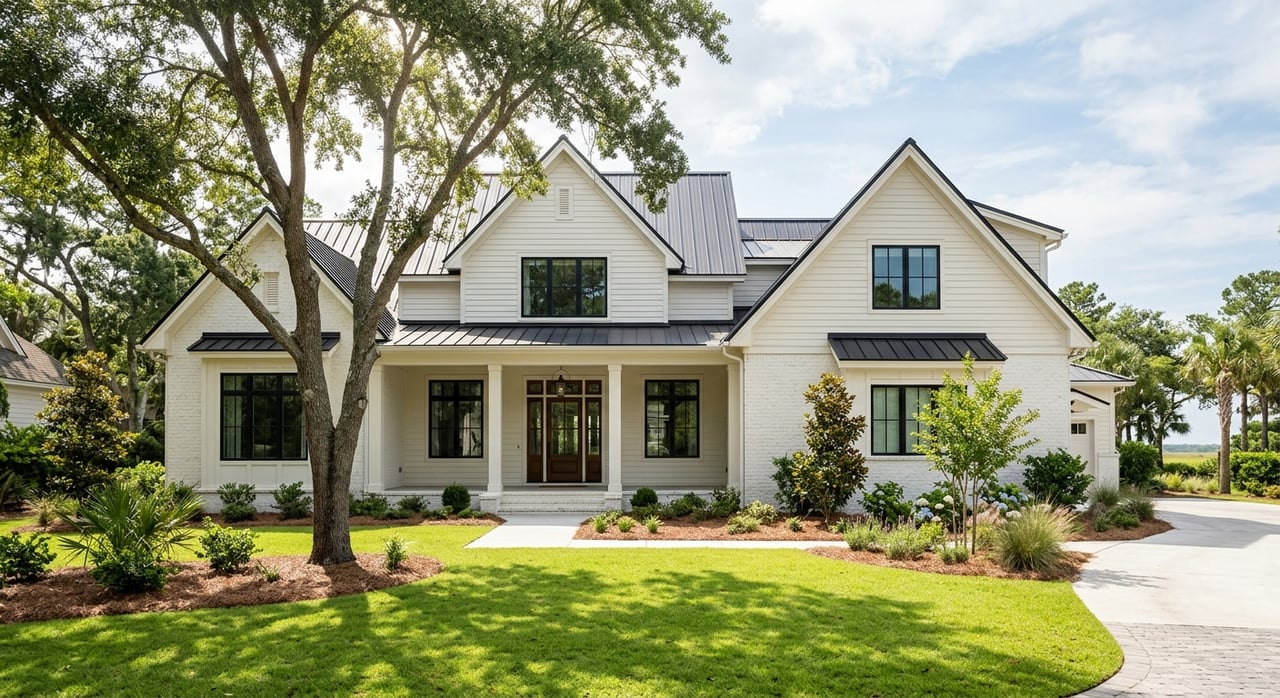
Choosing a homesite in Fairhope can feel exciting right up until one simple question changes everything: Can you actually build the home you want there? A lot may look perfect from the street, but zoning, flood status, access, trees, wetlands, and utilities can all shape what is truly possible. If you want to avoid expensive surprises and make a more confident decision, this guide will walk you through what to check before you buy. Let’s dive in.
Start With the Legal Envelope
Before you fall in love with a view or start marking up floor plans, confirm which rules apply to the parcel. In Fairhope, that starts with finding out whether the lot is inside Fairhope city limits or under Baldwin County jurisdiction. That distinction matters because permitting and review can follow different paths depending on the parcel’s location.
Fairhope’s planning materials include the 2024 Comprehensive Plan, subdivision regulations, wetlands materials, the tree ordinance, and the zoning ordinance amended in June 2025. That means you should verify the current rules through city documents instead of relying only on a listing description or neighborhood name. A homesite that sounds straightforward in marketing remarks may have a much tighter building envelope in practice.
Check the Zoning District First
The zoning district can tell you a lot about what kind of home the lot can realistically support. Fairhope’s district standards range from large estate-agricultural lots in R/A to much smaller lots in districts like R-3 PGH and R-3 TH. In simple terms, lot size and width may already be steering you toward an estate home, a standard single-family layout, a patio-home footprint, or a townhouse-scale plan.
The city’s official zoning map is maintained by the Director of Planning and Building and kept on file at City Hall. That makes a current zoning check much more reliable than assumptions based on nearby homes. If you are planning a custom or semi-custom build, this is one of the first steps worth taking.
Separate Zoning From Private Covenants
Zoning is only part of the picture. Private restrictive covenants may add another layer of rules that affect design, setbacks, materials, or other site decisions. Fairhope notes that these private covenants are contractual rules and are not enforced by the City of Fairhope or Baldwin County.
That is important because a lot can appear buildable under public rules but still have private restrictions that affect your plans. You want both layers reviewed early, before design work goes too far.
Study How the Lot Will Live Day to Day
A good homesite is not only about appearance. It also needs to support how you want to live, arrive, park, entertain, and move through daily routines. In Fairhope, access, frontage, lot shape, and orientation can all influence whether a homesite feels easy and functional once the home is built.
Fairhope’s subdivision regulations generally require lots to front a paved, publicly maintained street. In unusual cases where a deviation is allowed, easements of at least 30 feet may be required for safe and convenient access, utilities, and public services. Corner lots may need extra frontage, and double-frontage lots are generally prohibited.
Think About Orientation and Sunlight
Lot orientation matters more than many buyers expect. South-facing windows can bring in winter sun with less direct summer sun when properly shaded, while north-facing windows usually provide more even natural light. East- and west-facing windows can increase summer heat and glare, which may call for deeper overhangs, fewer west-facing windows, or more shade planning.
If you are building in Fairhope’s warm climate, that orientation can affect comfort as much as style. A lot with strong west exposure is not a deal breaker, but it may require smarter design choices. It is also wise to remember that future trees or future construction can change light and solar access over time.
Let Lot Shape Guide the Floor Plan
Lot shape can influence far more than curb appeal. Fairhope’s regulations note that side lot lines should be at right angles or radial to the street where practicable, and zoning rules set district-specific widths, setbacks, and height limits. Those standards can affect footprint, roof form, garage placement, and even how much outdoor living space you can keep.
This is one reason a builder should test your preferred plan against the lot before you commit. A plan that works beautifully on one parcel may need major changes on another.
Watch for Special Frontage Conditions
Some lots face added standards because of their location. Fairhope’s Highway Transitional District applies to eligible lots fronting U.S. 98, Alabama Highway 104, or Alabama Highway 181, with specific setback and height standards. Waterfront and bay-adjacent parcels also deserve extra review because shoreline-related rules can reduce the usable buildable area.
That means a generous-looking lot on paper may not offer as much flexibility as you think. Road type and frontage can directly shape what is practical to build.
Review Flood, Wetlands, and Drainage Early
In Fairhope, site constraints are not details to sort out later. They can affect cost, timing, foundation strategy, outdoor spaces, and even whether your preferred home layout is realistic. That is why flood, wetlands, drainage, and topography should be part of your earliest due diligence.
Fairhope states that its permitting jurisdiction includes multiple Special Flood Hazard Areas shown on FEMA flood maps dated April 19, 2019. The city also enforces floodplain development rules through its Flood Damage Prevention Ordinance. If a parcel is in a flood hazard area, new construction requires an elevation certificate, a survey showing the building footprint and flood overlay, and a complete permit package before work can proceed.
Flood Status Can Shape the Whole Project
Fairhope’s buyer due-diligence materials specifically tell buyers to review flood maps, noting that many inland gullies and creekbeds are formally listed as Special Flood Hazard Areas. So even if a lot is not directly on the bay, flood review still matters. Waiting until construction drawings are finished can lead to redesigns, delays, or a very different foundation approach than you expected.
If the parcel is in or near a flood zone, it is smart to identify the likely foundation strategy before you make an offer. That can help you better understand budget, timeline, and design implications early.
Wetlands and Buffers Reduce Buildable Area
Wetlands and stream buffers can take a meaningful bite out of usable lot space. Fairhope’s subdivision regulations include buffer widths of 100 feet for Fish River, 50 feet for other watersheds, 50 feet for Mobile Bay, and 30 feet for wetlands, ponds, lakes, and isolated wetlands. Principal structures and accessories such as pools or patios are not allowed in those buffers.
Wetlands may also trigger separate permitting. Fairhope notes that site conditions may require a formal wetland delineation, and those delineations are valid for five years. On the right lot, this is manageable. On the wrong lot, it can significantly narrow your build options.
Do Not Overlook Drainage and Soil
Drainage responsibility does not always end at your property line. Fairhope notes that detention ponds and drainage components outside the public right-of-way are generally the responsibility of the HOA or POA, or the landowner if no association exists. Knowing who maintains what after closing is a practical question that can save frustration later.
Soil and grading also deserve attention on the Eastern Shore. Fairhope’s due-diligence information says red clay or staining soils are restricted within 100 feet of certain critical areas, including wetlands, flood zones, creek beds, gullies, and detention ponds. If a lot seems unusually inexpensive or the topography looks challenging, asking for a professional drainage review is a smart move.
Pay Attention to Trees and Setbacks
In Fairhope, mature trees can be both a major asset and a design constraint. They add beauty, shade, and character, but they can also shift where the home, driveway, or outdoor features can go. If you love a lot because of its live oaks or other established trees, make sure you understand how tree rules affect the buildable area.
Fairhope’s zoning ordinance allows up to a 7-foot administrative setback variance to preserve a live Heritage Tree. The ordinance also identifies protected species such as oaks, cedar, cypress, and magnolia, and it prohibits trenching within 9 feet of any property line. Those standards can influence utility runs, grading, and site layout long before framing begins.
Confirm Utilities Before You Buy
A beautiful lot still has to work logistically. Utility access, especially sewer availability, should be confirmed early in the process. Fairhope Public Utilities advises buyers to call and verify sewer service availability before hiring contractors for a septic-to-sewer conversion, and the city operates its own water and sewer department for the Fairhope service area.
You should also think through driveway placement, garage orientation, and parking early. Fairhope’s subdivision regulations address curb-cut spacing and allow rear lanes in some situations, with rules designed to balance vehicle access, pedestrian movement, and right-of-way function. These details can affect both daily convenience and the final house layout.
A Simple Fairhope Homesite Checklist
If you want to narrow your risk before buying a lot, focus on the issues that most often change the outcome of a build.
- Confirm whether the parcel is in Fairhope or Baldwin County jurisdiction
- Check the current zoning district and official map
- Review private restrictive covenants separately
- Get a current survey or plat
- Verify flood status and ask about the likely foundation approach if needed
- Review wetlands, buffers, drainage paths, and topography
- Ask who maintains detention or stormwater features after closing
- Confirm water and sewer availability
- Evaluate lot orientation, shape, access, and garage placement
- Ask a builder or civil engineer to test your preferred plan against the lot
Why the Best Lot Is Not Always the Prettiest One
In Fairhope, the best homesite is usually the one that fits your intended home before the design process gets expensive. That means the legal envelope, flood status, utility access, tree constraints, and drainage conditions all work together in a way that supports your goals. A lot with fewer surprises often gives you a smoother path from concept to construction.
That is especially important if you want a home that feels tailored to your lifestyle without creating avoidable delays. When the lot and the plan match from the start, your building experience can feel far more organized, predictable, and enjoyable.
If you are weighing homesites in Fairhope and want a clearer sense of what will truly work, Limitless Homes can help you evaluate your options and plan your next step with confidence.
FAQs
What should you check before buying a Fairhope homesite?
- You should confirm jurisdiction, zoning, lot dimensions, flood status, wetlands or buffers, utility availability, drainage responsibilities, and any private restrictive covenants before you commit.
Why does zoning matter for a Fairhope build lot?
- Zoning affects the lot’s minimum size and width, setbacks, and other standards that help determine what type of home footprint is realistic on the parcel.
How do flood zones affect building in Fairhope?
- If a lot is in a Special Flood Hazard Area, new construction may require an elevation certificate, a survey showing the building footprint and flood overlay, and a complete permit package before work proceeds.
Do wetlands change what you can build on a Fairhope lot?
- Yes. Wetlands and required buffers can reduce the usable buildable area, and some sites may also require a formal wetland delineation or additional permitting.
Why does lot orientation matter for a custom home in Fairhope?
- Orientation affects natural light, summer heat gain, glare, and how easily your home design can take advantage of shade, windows, and outdoor living areas.
Should you ask a builder to review a Fairhope lot before buying?
- Yes. A builder can help test your preferred home plan against zoning, setbacks, access, trees, drainage, flood constraints, and other site conditions before you move forward.